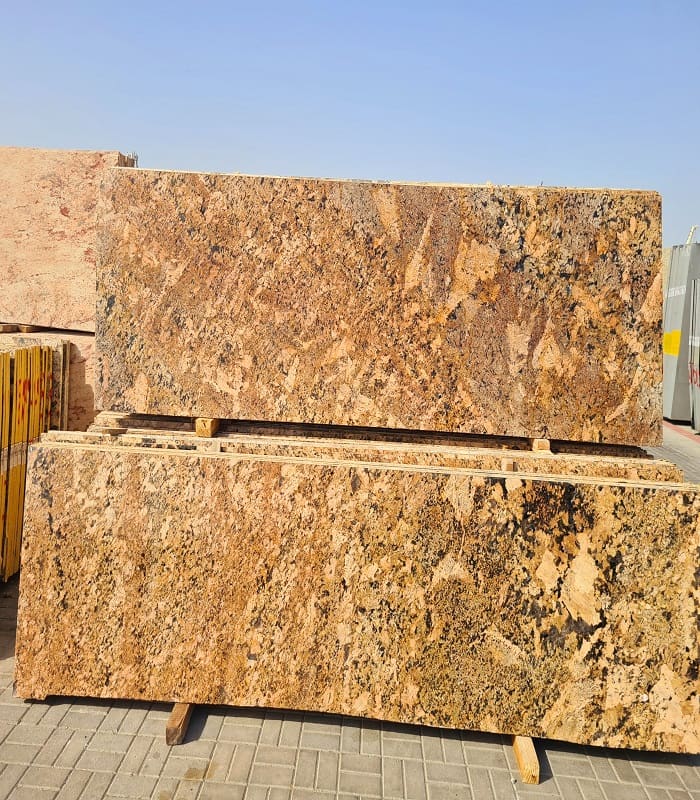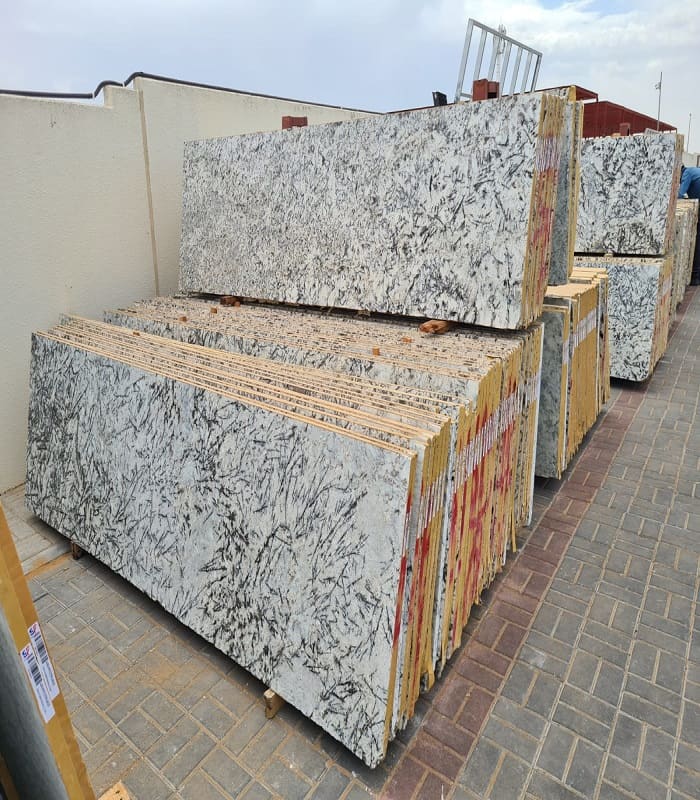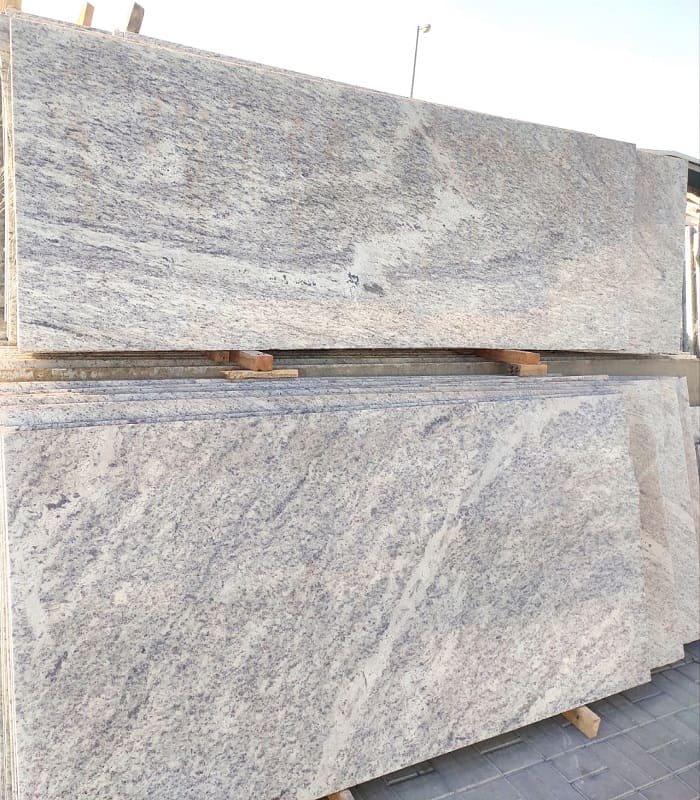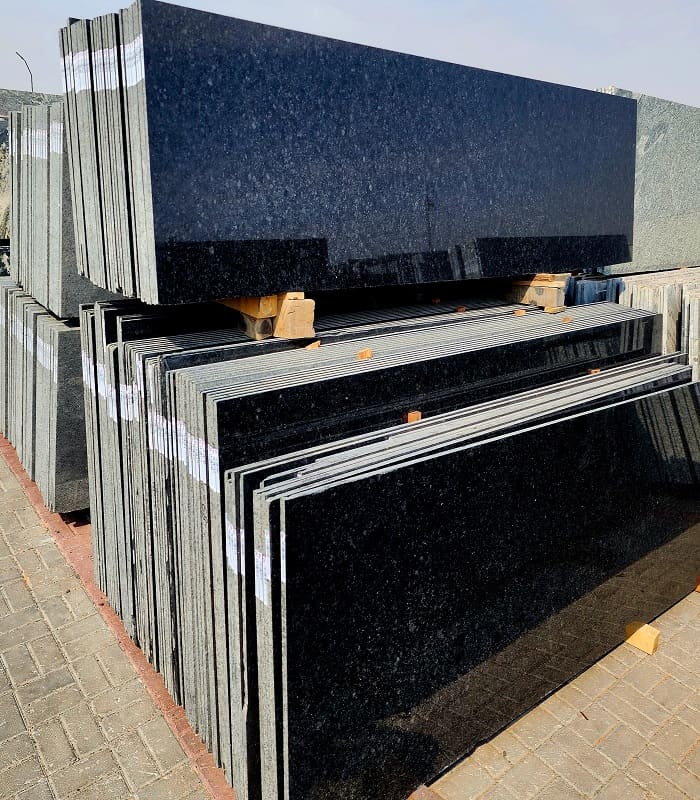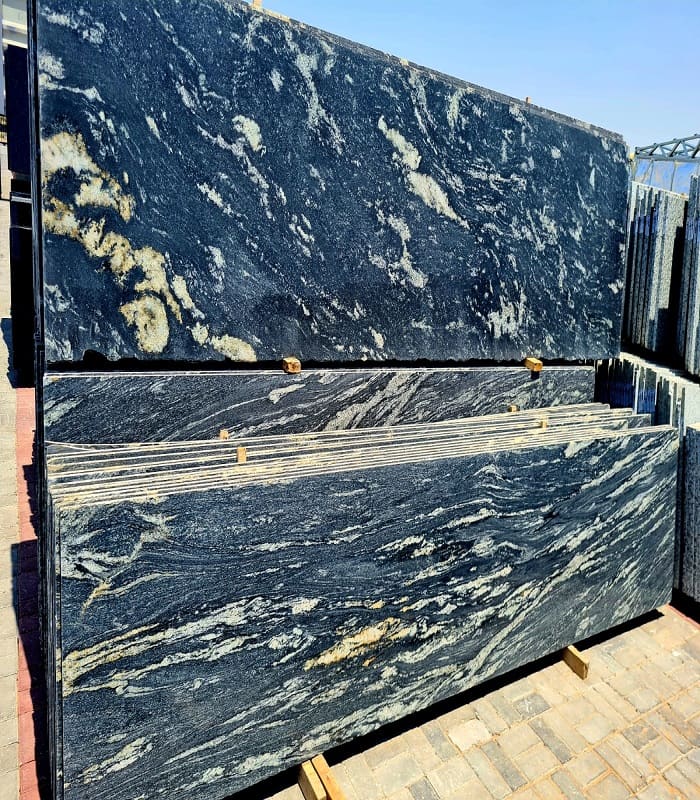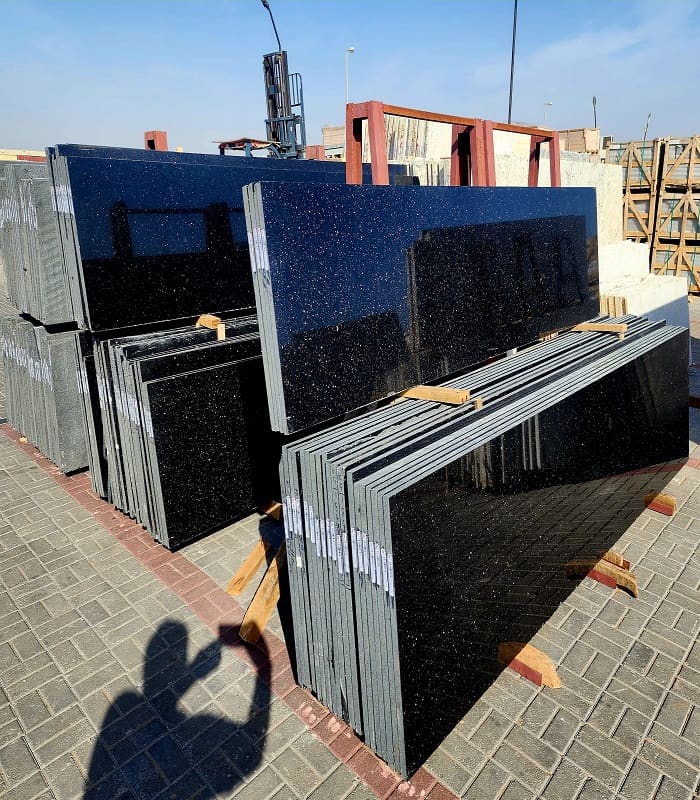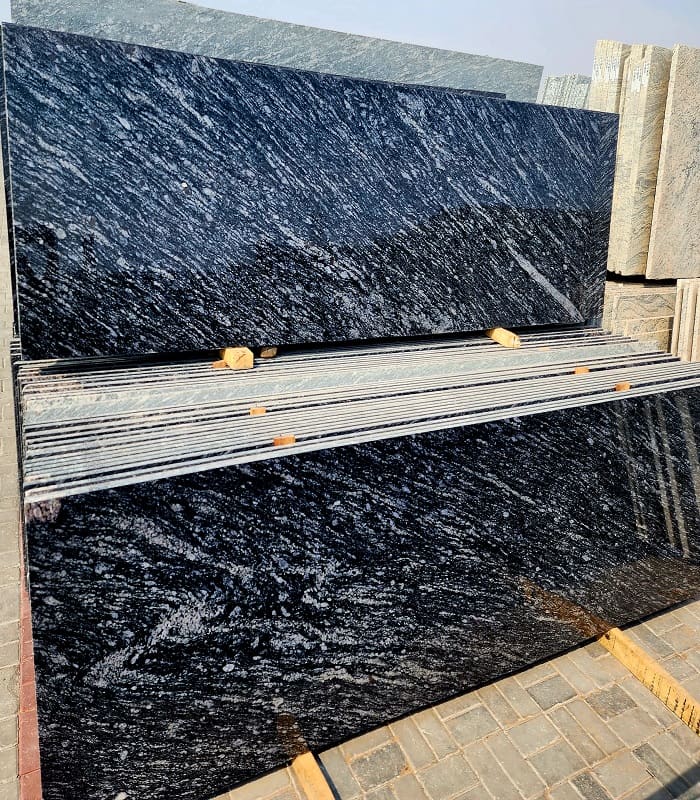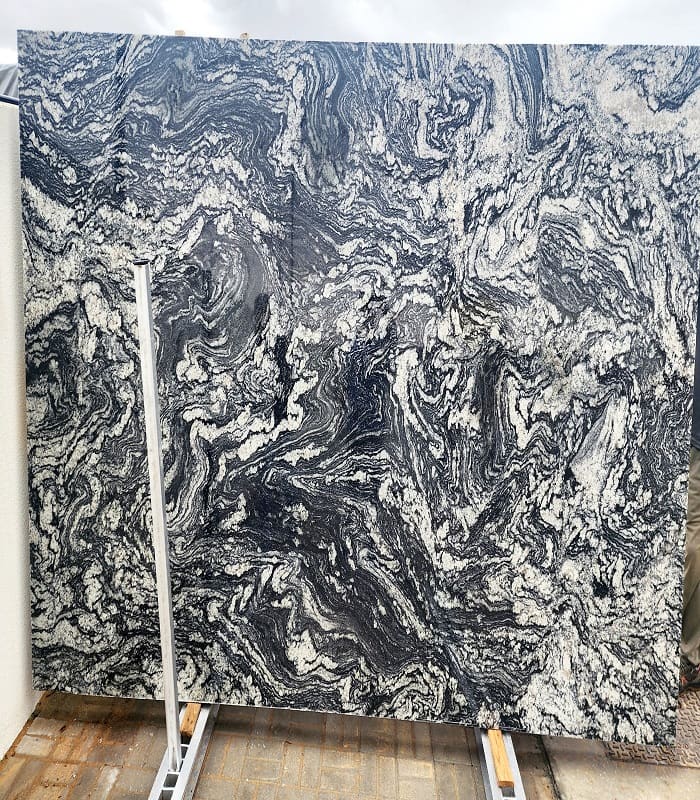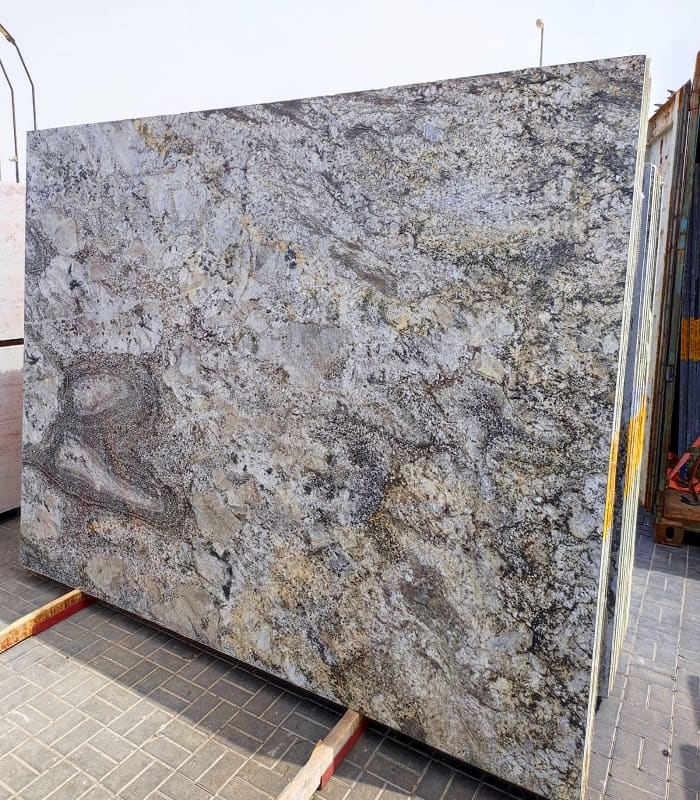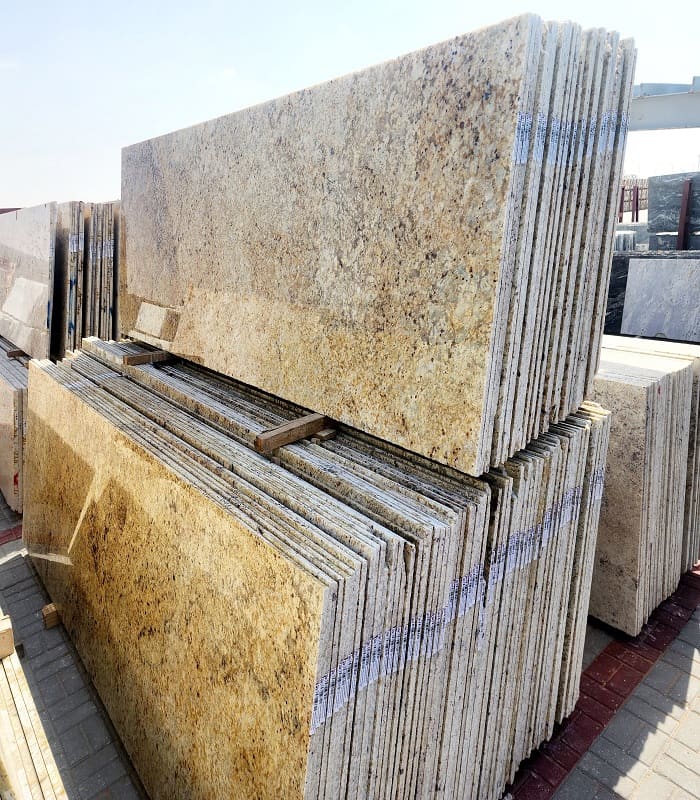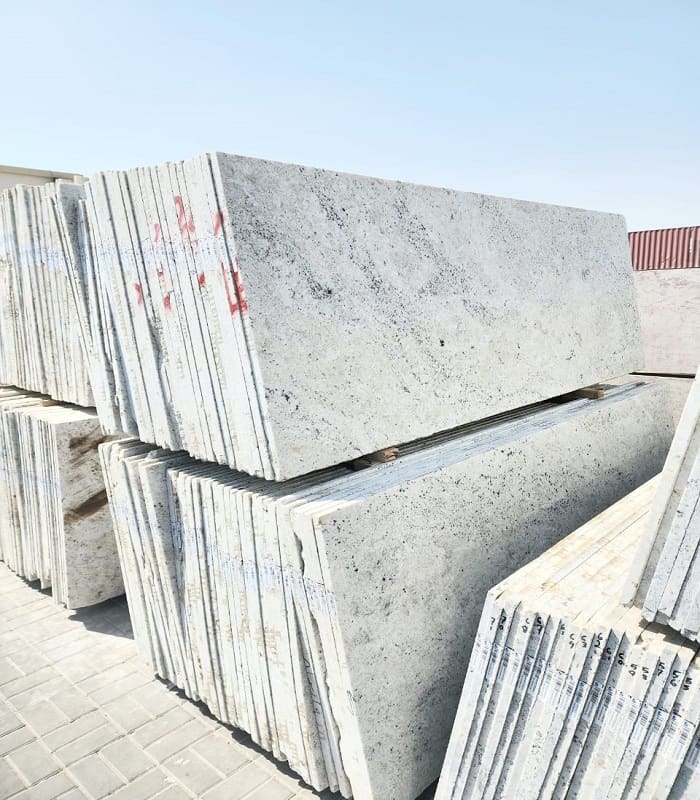
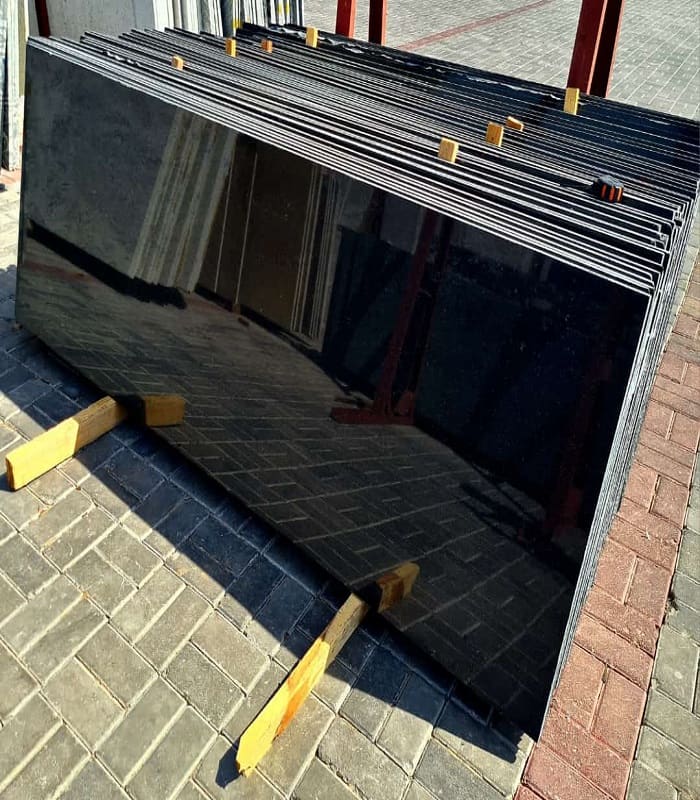
Granite · 6 variants
Application
Weather exposure, anchorage and engineered fixing design.
Exterior stone cladding is an engineered system, not just a material order. We can supply granite gangsaw slabs and cutter slabs in 20 mm and 30 mm for a cladding package, but the panel sizes, thickness, anchors, joints and approvals must come from a qualified façade engineer or specifier for your building.
This page explains what that design has to deal with in the UAE (sun, heat, wind-blown sand and coastal humidity) and what information helps us respond to a cladding enquiry. We do not design, calculate or approve cladding, and we hold no test data for the materials on this site. If your engineer needs material testing, that has to be planned into the project.
Façades facing the sun get very hot, and dark stone absorbs more heat than light stone. Panels, anchors and the backing structure expand and contract daily. Joint widths and movement joints have to allow for this, and the engineer sets them.
Wind load increases with building height and exposure, and it governs panel size, thickness and anchor spacing. Wind-blown sand also wears polished surfaces on exposed elevations over time.
Near the coast, humid, salty air attacks unsuitable metals. The grade of stainless steel or other metal for anchors and brackets is an engineering choice; corroding fixings can also stain the stone.
External panels are generally held with mechanical anchors (for example kerf, dowel or undercut anchors) into a backing wall or sub-frame. Adhesive or mortar alone is generally not relied upon for external panels at height. The anchor system’s supplier and the engineer define edge distances and stone thickness.
Joint sealants, drainage behind the panels and the way water runs off copings and sills all affect staining and long-term performance. Some sealants can stain absorbent stone at the edges, so compatibility should be checked.
We do not supply fixing systems, calculations or façade drawings, and we cannot state that any material is suitable for a particular façade. Engineers usually need material properties such as flexural strength, density and water absorption, and sometimes anchor tests on the actual stone; we hold none of these, so testing of the specific lot may be required at the project’s cost and timing. Dark Emperador marble is not offered for exterior cladding here: marble is generally more affected by weathering and acids than granite, and polished marble outdoors tends to lose its polish. Our porcelain slabs come without manufacturer exterior data, so they are not proposed for façades. Black Marquina’s family is unconfirmed. Every cladding enquiry is treated as needing technical review.
Finishes are not recorded in our catalogue and are confirmed in your quotation. On exposed elevations a polished face will generally dull over the years from sun, sand and cleaning; honed or textured finishes change less visibly. A flamed finish removes some of the surface and can change the colour, which matters both for appearance and, because the effective thickness is reduced, for the engineer’s design. Agree the finish before the engineer finalises the thickness. See our finishes guide.
We offer granite slabs in 20 mm and 30 mm. For exterior cladding, thickness is an engineering output, worked out from panel size, wind load, anchor type and the stone’s tested strength. Thicker stone is commonly specified for mechanically anchored external panels, but neither 20 mm nor 30 mm can be assumed adequate without that design. Please send the engineer’s specified thickness with your enquiry.
Send the façade elevations and the panel schedule from your engineer or architect if you have them. Otherwise give the size of each elevation in metres, the intended panel size and the height of the highest panel above ground.
State the net cladding area in square metres (m²) per elevation, and attach the panel schedule if it exists. A façade usually has many panel sizes plus returns and copings, so the slab quantity depends on how the schedule cuts from the slabs available. We will confirm slab sizes so the cutting yield can be planned.
We supply stone slabs. Façade design, structural calculation, anchor and sub-frame supply, panel cutting with anchor slots, installation, testing and authority approvals are all outside our supply. If cut panels are needed, ask in your request and we will confirm whether cutting can be arranged; anchor preparation is for the façade contractor.
On a façade, shade differences between lots show up as visible patches across an elevation. Order and reserve the full quantity from one lot where possible, and agree how panels will be distributed if blending is needed. Even, uniform materials generally show lot changes less than strongly patterned ones. Ask how much of a lot is available before the design is fixed. See natural variation.
If your designer, consultant or client needs technical documents such as test reports, data sheets or certificates, list them in your request and we will tell you what can be provided for the materials you choose.
For façades, phased deliveries matched to the installation sequence reduce storage and handling damage. Store panels on timber, on edge, covered and away from cement and grout splashes, which can mark stone. Label cut panels to the schedule. Delivery terms are confirmed in your quotation; see delivery preparation and trade supply.
Ask whether a sample, a yard visit or a video viewing is possible. For cladding, also ask your engineer whether test specimens or a mock-up are required, since that may need larger pieces from the actual lot.
Exterior stone mainly needs periodic washing to remove dust and sand, with clean water and a soft brush or a gentle low-pressure rinse. Avoid acid washes and high-pressure jets aimed at joints. Sealant joints and anchors should be inspected as part of the building’s façade maintenance plan, set by the façade contractor. See the granite care guide.
If natural stone panels prove impractical for the height, weight or approvals, engineered façade systems from specialist manufacturers are the usual alternative; we do not supply them. At ground level, a granite plinth or low wall with smaller pieces may be simpler than full-height cladding; see the landscape detailing page. Lighter-coloured stone generally gets less hot in the sun than dark stone. For interior walls, see the feature walls page.
We do not make that call. The engineer chooses based on tested properties, panel size and exposure. We can tell you which materials are available in slab form and in what quantity.
Only if your façade engineer’s design allows it. Thickness for external panels depends on panel size, wind load, anchors and the stone’s strength.
No. We supply stone. Anchors, brackets and sub-frames come from the façade contractor or a fixing-system supplier.
Some stones and surface treatments can change appearance with long sun exposure. We hold no data on this for our materials, so ask your engineer whether exposure testing is needed and view the stone in daylight.
From the catalogue
Shown because they are offered as slabs from which façade panels can be cut. Cladding requires engineered fixing design and project-specific approval; no material on this site has been assessed or tested for exterior cladding by us.