
Quartz · 1 variant
Material family
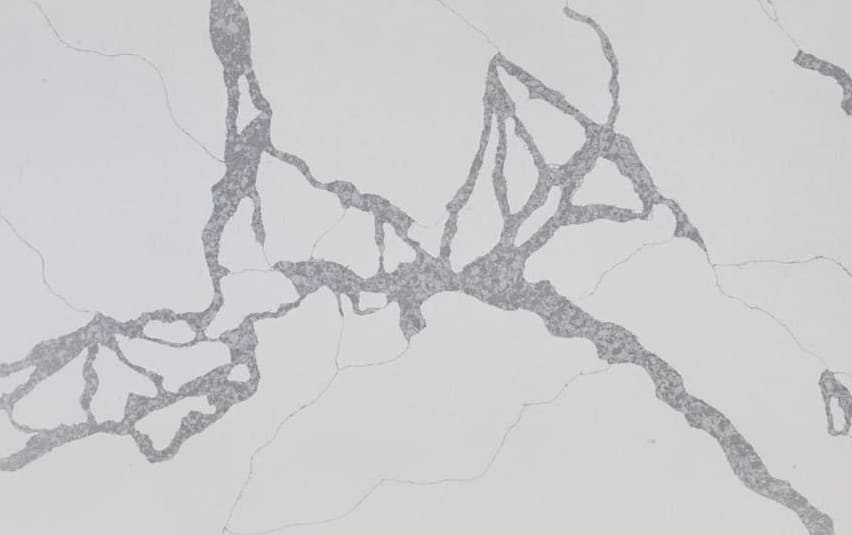
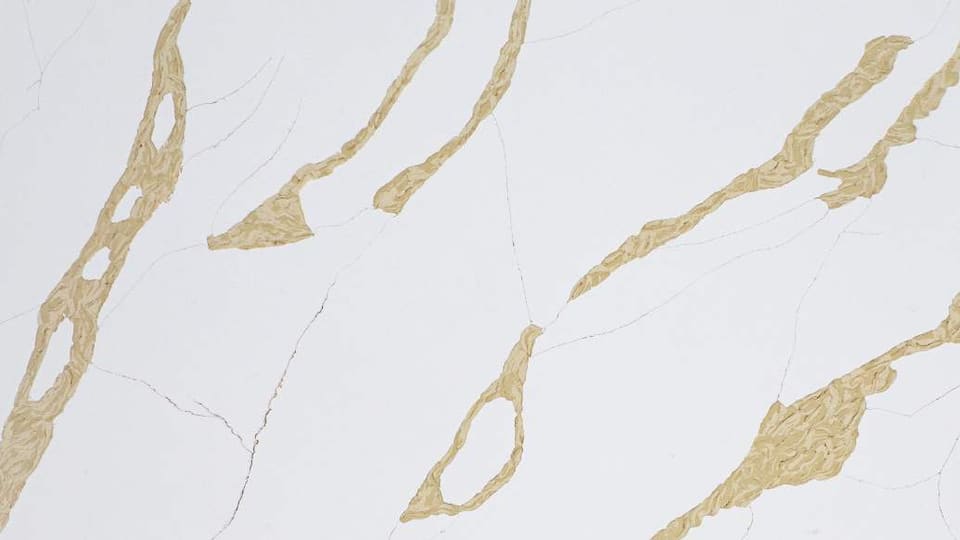
Fifteen quartz designs in three series: Calacatta, with bold marble-look veins; Carrara, from fine speckles and soft veins to plain beige, grey and black; and Solid, a plain white. Thickness, slab size and finish are confirmed in your quotation.
15 materials · 15 products
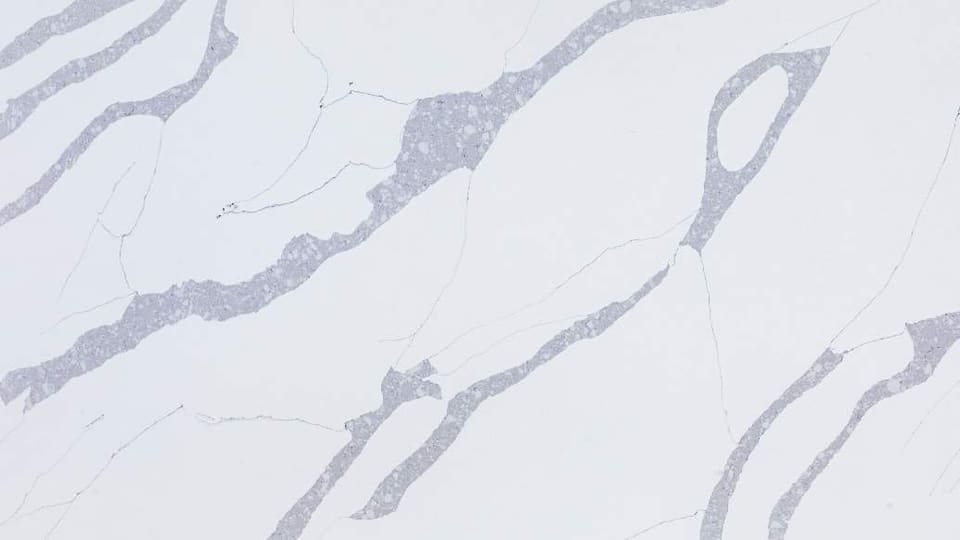
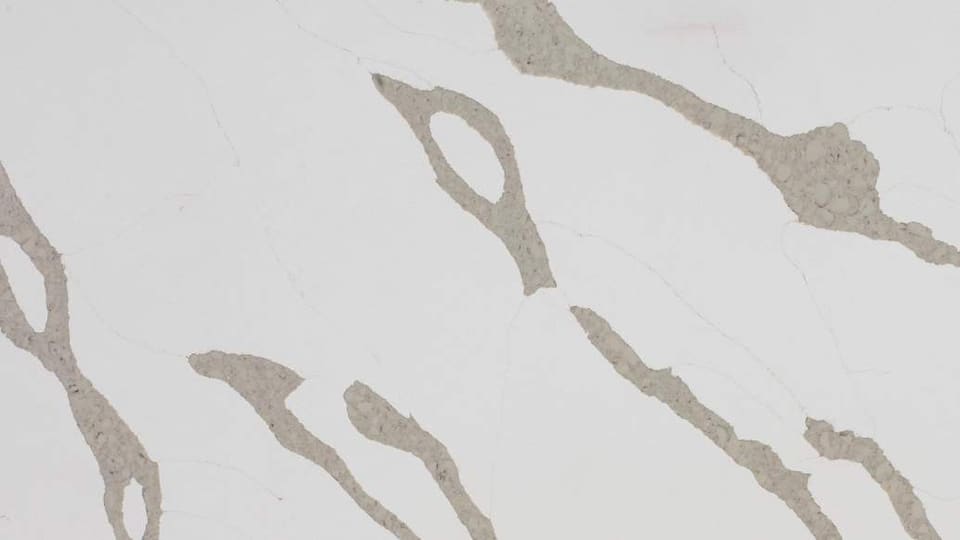
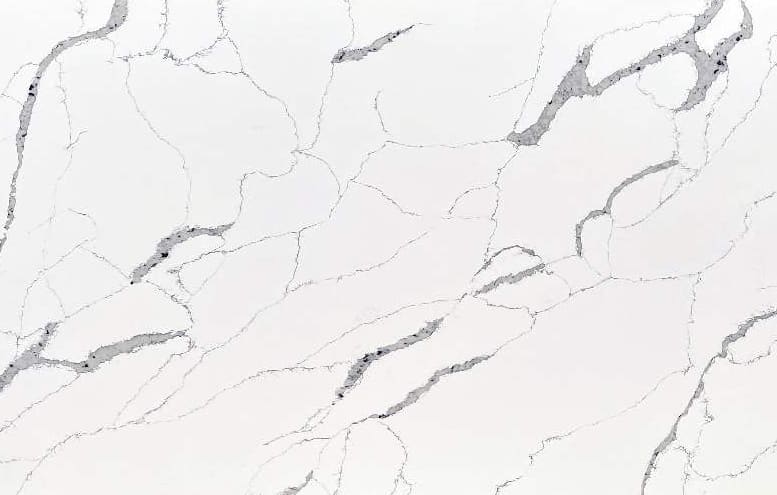
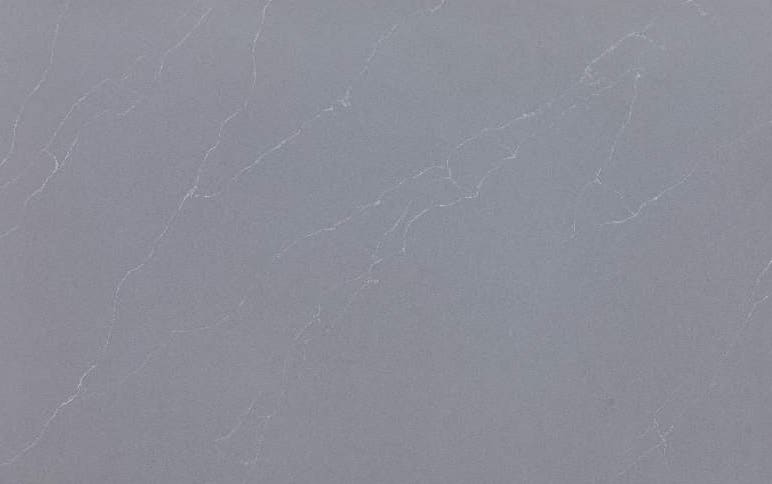

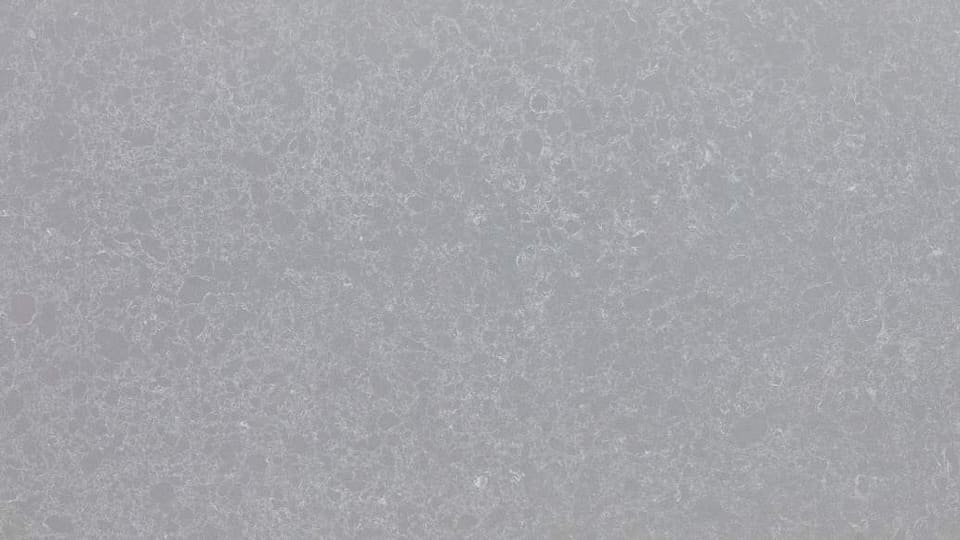
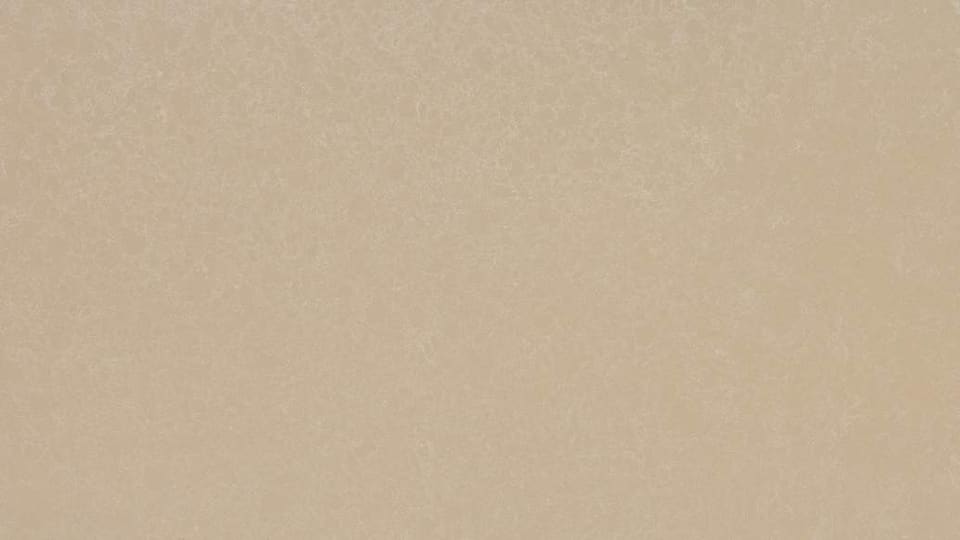
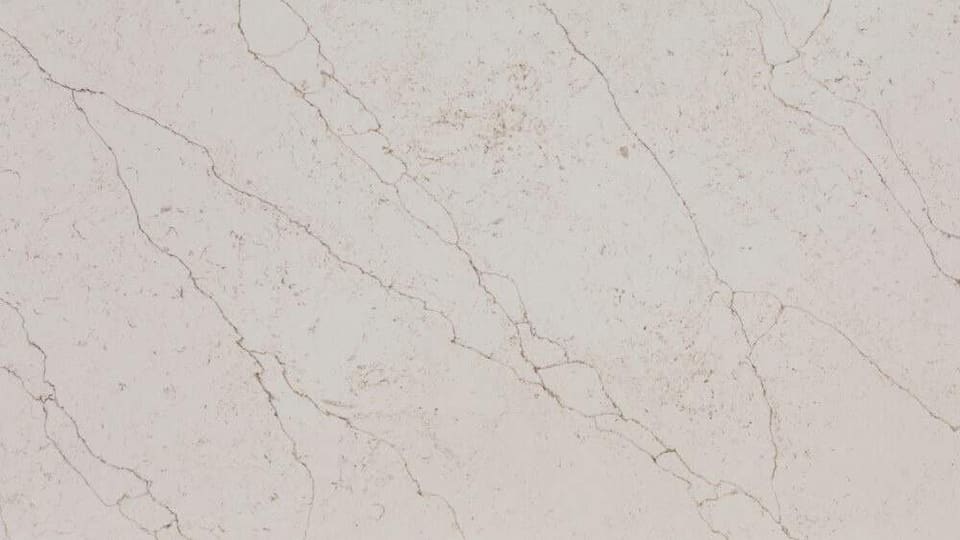
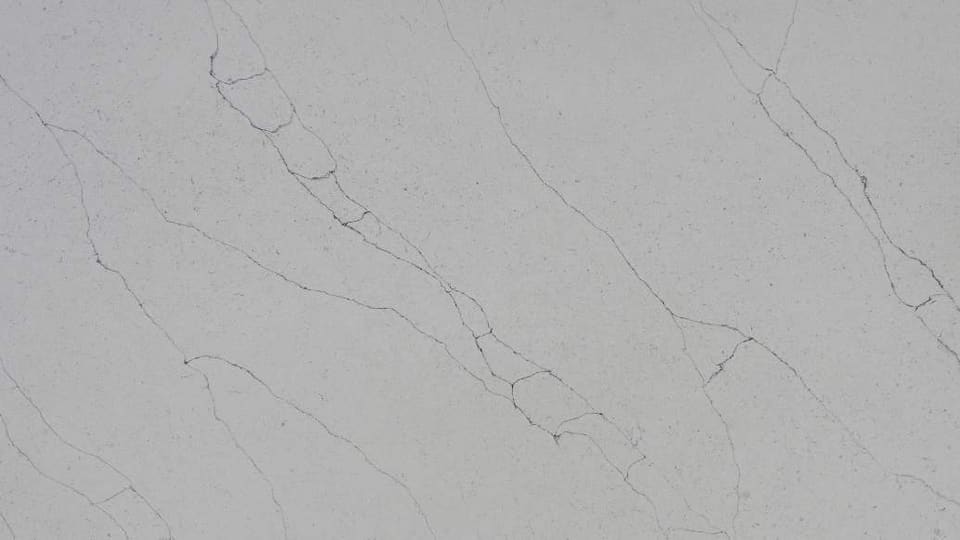
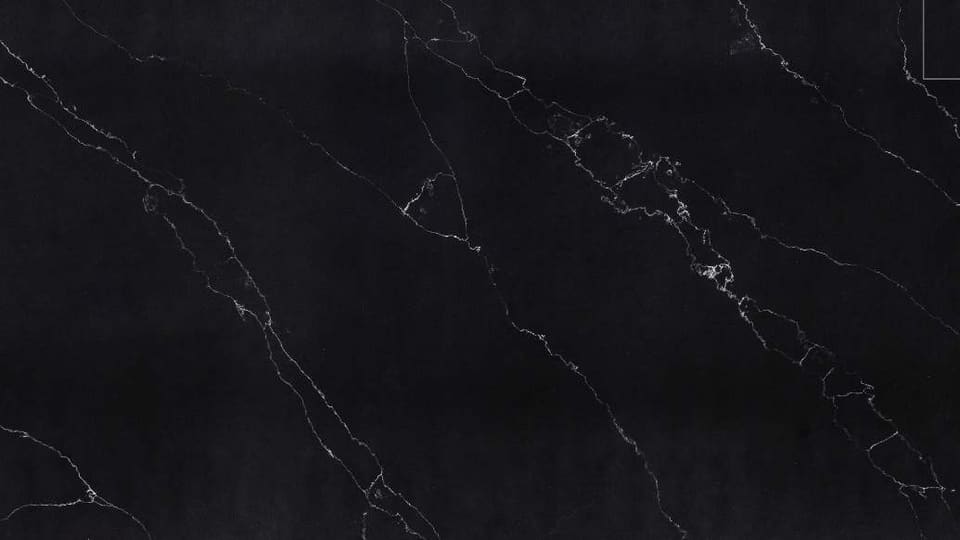
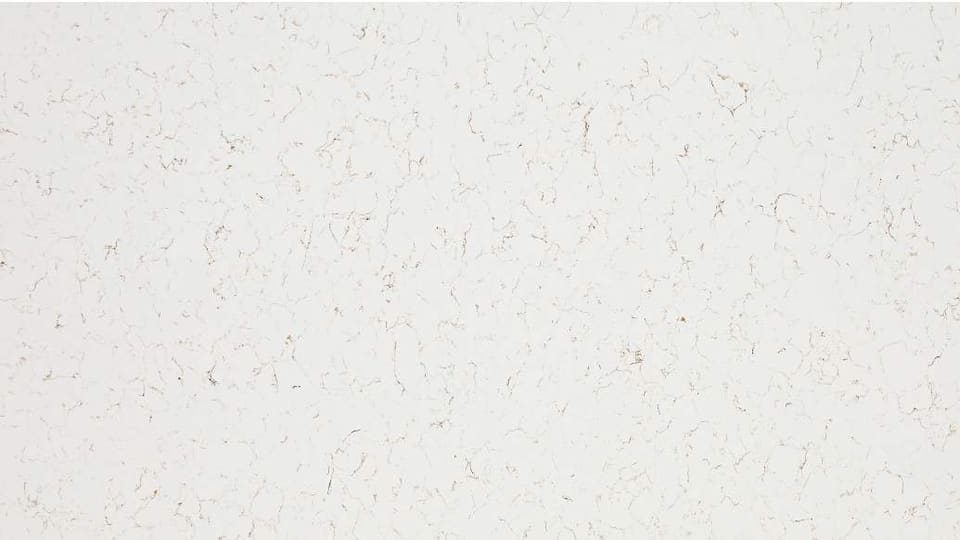


Quartz (engineered quartz) is a manufactured surface made mostly of crushed quartz bound with resin. Because it is made rather than quarried, slabs of one design look much the same, which helps when many surfaces must match. The range’s water absorption is below 0.05%, so it does not need sealing. Our granite vs quartz guide compares the two.
The range passes the boiling-water and high-temperature tests listed below, but quartz contains resin: use a trivet under very hot pans, clean with a mild detergent, and ask us before planning an outdoor or sun-exposed installation.
Cutting, grinding and polishing quartz releases fine crystalline silica dust, which is harmful to breathe. Fabrication should be done by a workshop that uses wet cutting, dust extraction and proper respiratory protection.
As printed in the quartz catalogue; the values apply to the whole range.
| Test | Standard | Result |
|---|---|---|
| Abrasion resistance | ASTM C 241 | Min 25.0 |
| ASTM C 1243-93 | Volume of chord: V = 60.0 – 107.9 mm³ | |
| EN 14617-4 | Chord length = 21.0 – 22.5 mm | |
| Apparent density (kg/dm³) | ASTM C 97 | > 2.1 |
| EN 14617-1 | > 2.1 | |
| Boiling water resistance | NEMA LD3-3.5 | Pass / no effect |
| Compressive strength (MPa) | ASTM C 170 | 150 – 250 (dry/wet) |
| EN 14617-15 | 170 – 240 | |
| Cigarette test | ANSI Z124.6 | Pass |
| Chemical resistance | ANSI Z124.6 | Pass |
| EN 14617-10 | Class C4 | |
| Dimensional stability | EN 14617-12 | Class A |
| Freeze and thaw resistance | ASTM C 1026 | No damage after 20 freeze–thaw cycles |
| EN 14617-5 | No defect after 25 freeze–thaw cycles | |
| Flexural strength (MPa) | ASTM C 880 | 40 – 60 (dry/wet) |
| EN 14617-2 | 50 – 60 | |
| Frost resistance | DIN 52104 | Complies with standard |
| Fire classification | EN 13501-1 | Wall cladding: B-S1-d0; flooring and stairs: B-fl-S1 |
| Glossiness reflection (%) | — | 55 – 70 |
| High temperature resistance | NEMA LD3-3.6 | Pass / no effect |
| Impact resistance (joule) | EN 14617-9 | 5 – 14.5 J |
| Linear thermal expansion (30 °C – 100 °C) | ASTM C 372-94 | 3.0 – 5.0 × 10⁻⁵ per °C |
| EN 14617-11 | 13 – 26.0 × 10⁻⁶ | |
| Modulus of rupture (MPa, dry/wet) | ASTM C 99 | 55 – 65 |
| Radiation | GB 6566-2010 | Complies with requirement of standards |
| Resistance to acids | ASTM C 650 | Not affected |
| Surface hardness (Mohs scale) | EN 101 | 6.0 – 7.0 |
| Surface burning | ASTM E 84 | Class A |
| Slip resistance | EN 14231 | Wet: 13 – 21 SRV; dry: 43 – 53 SRV |
| Stain resistance | ANSI Z124.6 | Pass |
| Surface slip resistance, honed 400 | DIN 51130 | R9 |
| Static coefficient of friction | ASTM C 1028 | Dry: 0.8; wet: 0.6 |
| Thermal shock resistance | EN 14617-6 | No visual defects after 20 cycles; loss in mass 0.04% – 0.07%; loss in flexural strength 6.0% – 9.5% |
| Thermal conductivity | EN 12664 | 0.435 – 0.485 W/(m·K) |
| Wear and cleanability | ANSI Z124.6 | Pass |
| Water absorption (%) | ASTM C 97 | < 0.05 |
| EN 14617-1 | < 0.05 |